
Cabinet Companies Are Responding to Growing Demand for Wood Cabinetry
The cabinetry industry is witnessing a remarkable transformation as demand for wood cabinetry surges. With an increase in homeowners opting for the timeless charm of wood cabinets, cabinet companies are innovating and adapting to meet these evolving preferences. Here, we'll explore the multifaceted ways in which these companies are responding to market demands, driven by an appreciation for sustainability, natural aesthetics, and modern innovation.
Understanding the Surge in Demand for Wood Cabinetry
Wood cabinetry has been a staple in interior design for centuries, admired for its durability and classic appeal. Its rich history can be traced back to medieval times when wood was the primary material for furniture and functional elements within homes. As styles evolved, wood cabinetry maintained its significance, becoming synonymous with luxury and craftsmanship. The various wood species, from oak to walnut, offered distinct grains and hues, allowing for versatile applications. Today, this historical reverence for wood continues to influence consumer decisions, as many homeowners view wood cabinetry as a testament to timeless elegance.
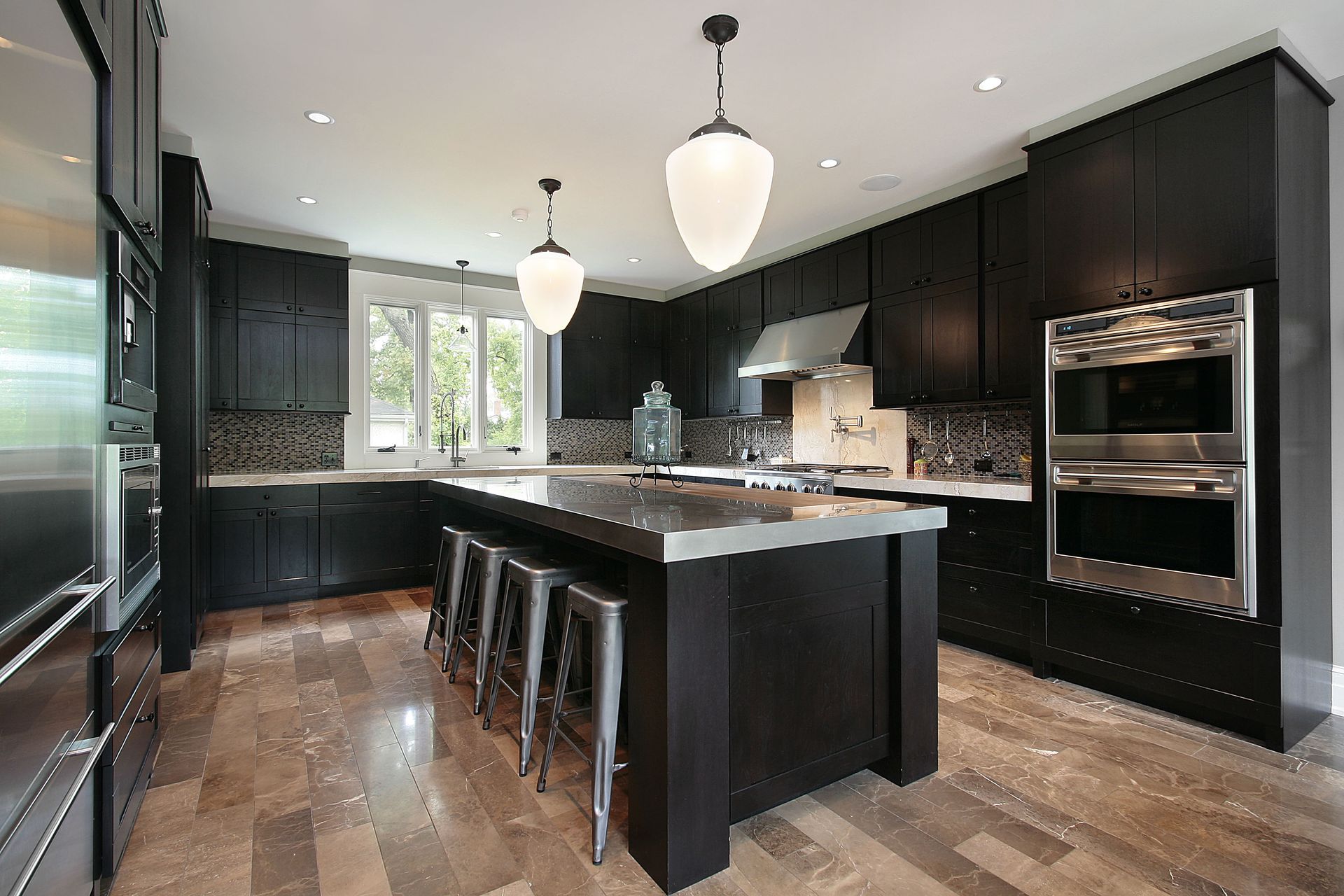
In recent years, market trends have leaned favorably towards wood products, particularly in the realm of cabinetry. According to Houzz, nearly 29% of renovating homeowners are choosing wood cabinets for their kitchen cabinet color. This trend underscores a growing preference for the natural look and feel that wood offers, aligning with broader consumer shifts toward organic and sustainable living. Homeowners are increasingly prioritizing quality and environmental impact, and wood cabinetry checks both boxes. As a result, cabinet companies are seeing an uptick in demand and are adjusting their strategies accordingly.
Sustainability and eco-friendly practices have become pivotal factors driving the demand for wood cabinetry. Consumers today are more aware of their environmental impact and are actively seeking products that align with their values. Wood cabinetry can be an eco-friendly choice when sourced and manufactured responsibly. Companies that commit to sustainable practices, such as using certified wood and minimizing waste, are more likely to attract environmentally conscious customers. This shift has prompted many cabinet companies to adopt green certifications to highlight their commitment to sustainability.
Adopting Sustainable Practices in Production
The demand for eco-friendly materials in cabinetry is shaping production practices across the industry. Cabinet companies are increasingly sourcing wood from sustainable forests, ensuring that their materials are both high quality and environmentally responsible. This approach not only aligns with consumer expectations but also helps in conserving natural resources for future generations. Many companies are obtaining certifications such as the Forest Stewardship Council (FSC) label, which assures customers of responsible sourcing. This commitment to eco-friendly materials reflects a broader trend towards sustainable living.
To further reduce their environmental impact, cabinet companies are embracing energy-efficient manufacturing processes. These practices include utilizing modern machinery that consumes less energy and optimizes production efficiency. By investing in energy-efficient technologies, companies can lower their carbon footprint while maintaining high production standards. Moreover, these advancements often lead to cost savings, which can be passed on to consumers, making eco-friendly cabinetry more accessible. This dual benefit of sustainability and savings is a compelling proposition for many homeowners.
Waste reduction is a crucial component of sustainable cabinetry manufacturing. Companies are adopting various strategies to minimize waste, from optimizing material cuts to reusing scraps in creative ways. Enhanced recycling efforts are also being implemented, allowing for the repurposing of excess materials into new products or other applications. These practices not only help in conserving resources but also reduce the amount of material ending up in landfills. By focusing on waste reduction and recycling, cabinet companies demonstrate their commitment to a circular economy, attracting environmentally-conscious consumers.
Incorporating Innovative Designs and Customization Options
Modern technologies are revolutionizing the design and manufacturing processes within the cabinetry industry. Cabinet companies are incorporating computer-aided design (CAD) software to create precise and customizable solutions for consumers. This technological integration allows for greater flexibility and personalization, catering to the specific needs and preferences of homeowners. As a result, customers can visualize their cabinetry choices in a virtual environment before committing to a design. This innovation enhances the consumer experience and provides companies with a competitive edge in a rapidly evolving market.
Customization is paramount as consumers seek cabinetry that reflects their unique tastes and lifestyle requirements. Cabinet companies are offering a wide range of design options, from tailored storage solutions to bespoke finishes. This approach allows customers to create spaces that are not only functional but also expressive of their individuality. By focusing on customization, brands can cater to a broader demographic, addressing varied aesthetic and functional needs. This strategy has become particularly important in an age where consumers value individuality and are willing to invest in products that speak to their identity.
The integration of smart features into cabinetry design is becoming increasingly popular among consumers. This trend reflects a desire for convenience and connectivity within the home environment. Companies are adding smart lighting, automated opening mechanisms, and integrated charging stations into traditional wood cabinets, blending classic aesthetics with modern functionality. These innovations meet the demands of tech-savvy homeowners who desire cutting-edge features that simplify daily use. As technology continues to evolve, the possibilities for incorporating smart elements into cabinetry design are limitless.
Scaling Operations to Meet Demand
In response to the growing demand for wood cabinetry, companies are scaling their operations to increase manufacturing capabilities. This expansion often involves investing in new facilities or upgrading existing ones to accommodate higher production volumes. By doing so, businesses can keep up with market demand without compromising on quality or delivery times. Expansion also allows companies to explore new markets and consumer segments, further boosting their growth prospects. As demand continues to rise, strategic scaling becomes essential for maintaining competitive advantage and meeting consumer expectations.
To support expanded operations, companies are investing in workforce training and development programs. Ensuring that employees have the skills necessary to operate sophisticated machinery and technology is critical for maintaining quality standards. These training initiatives often include both technical skill development and management training, preparing employees for leadership roles within the organization. By nurturing talent from within, companies can build a stable, knowledgeable workforce that adapts to industry advancements. This investment in human capital is vital for long-term success in the competitive cabinetry market.
The digital age offers a plethora of marketing opportunities for cabinetry companies looking to expand their reach. Digital marketing strategies, including search engine optimization (SEO) and paid advertising, help in targeting potential customers online. Social media platforms play a pivotal role in engaging with consumers, showcasing products, and building brand awareness. By maintaining an active online presence, companies can connect with a broader audience and drive customer engagement. This digital approach is essential for staying relevant in a competitive market where consumer preferences are increasingly shaped by online content.
Understanding the diverse demographics that make up the consumer base is crucial for effective marketing. Cabinet companies are creating targeted advertising campaigns tailored to specific age groups, income levels, and lifestyle preferences. By customizing messages and choosing appropriate platforms for each demographic, companies can increase the impact of their marketing efforts. This precision targeting helps in building stronger connections with potential customers and driving sales growth. As market dynamics continue to evolve, the ability to reach the right audience with the right message becomes even more important for capturing new customers.
The cabinetry industry is undergoing a dynamic transformation as demand for wood cabinetry continues to grow.
Cabinet companies are responding by adopting sustainable production practices, embracing innovative designs, and expanding operations to meet market demand. Through targeted marketing strategies and overcoming challenges such as supply chain disruptions and labor shortages, these companies are well-positioned for success. As consumer preferences evolve and technologies advance, the industry is poised for exciting developments and continued innovation in delivering high-quality cabinetry solutions. To work with an experienced cabinet company you can rely on, contact Studio B Design, Inc today.

Share On: